When you’re curating a gift that feels both indulgent and conscientious, the choice of materials can make or break the experience. A luxury homewares hamper that showcases eco-friendly options not only delights the recipient but also sends a powerful message about your values. In this guide, we’ll walk through the essential steps for choosing the right sustainable materials, from certifications to aesthetics, and show you how to assemble a hamper that’s as kind to the planet as it is to the senses.
Why Eco-Friendly Luxury Matters
The Environmental Footprint of Luxury
Luxury goods are often perceived as wasteful, but that image is shifting. The production of high-end homewares can consume significant water, energy, and raw materials. By opting for eco-friendly materials, you reduce the carbon footprint and help preserve natural resources. Think of it as swapping a single‑use plastic cup for a reusable one—small changes, big impact.
Consumer Demand and Brand Image
Have you ever wondered why so many affluent shoppers now demand sustainable options? Because they recognize that “green is the new gold.” A well‑crafted, eco‑friendly hamper signals responsibility, elevating your brand’s reputation. “Sustainability is not a trend; it’s a responsibility,” says renowned interior designer Maya Lin. That sentiment resonates with clients who want their luxury purchases to feel ethically sound.
Anecdote
When I first visited a boutique in Asheville, a local artisan handed me a sample of reclaimed wood. He said, “This timber has already lived a life; we’re just giving it a second chance.” That conversation made me realize that luxury can coexist with stewardship—a lesson that will guide every material choice here.
Key Material Criteria
Sustainability Certifications
Look for third‑party labels such as FSC, PEFC, or OEKO‑Tex. These certifications assure that the material comes from responsibly managed forests or meets strict chemical safety standards. Checking for certifications is like reading the fine print before signing a contract—essential for peace of mind.
Durability and Craftsmanship
Luxury is measured in longevity. Materials that withstand wear and tear reduce the need for replacement. Durability is a silent salesman: a hamper that lasts a decade is worth its weight in gold.
Aesthetic Appeal
Eco‑friendly does not mean plain. Choose materials that exude elegance—smooth bamboo, warm reclaimed oak, or the subtle sheen of natural stone. The visual allure of sustainable goods can rival any conventional luxury item.

Top Eco-Friendly Materials for Luxury Hamper
Reclaimed Wood
- Source: Old barns, warehouses, or decommissioned buildings. Benefits: Reduces deforestation, adds character, and often has a unique grain pattern. Design Tip: Pair with a light finish to let the wood’s story shine through.
Bamboo
- Source: Rapidly renewable crop that regrows in 3–5 years. Benefits: Strong, lightweight, and biodegradable. Design Tip: Use matte finishes to highlight its natural sheen.
Organic Cotton
- Source: Grown without synthetic pesticides or fertilizers. Benefits: Soft, breathable, and perfect for lining or decorative accents. Design Tip: Opt for natural dyes to keep the color palette earthy.
Hemp
- Source: A hardy plant that requires minimal water. Benefits: Durable fibers, antimicrobial properties, and a distinctive texture. Design Tip: Combine with linen for a luxurious yet sustainable blend.
Natural Stone
- Source: Quarried with low-impact methods. Benefits: Timeless beauty, heat resistance, and minimal maintenance. Design Tip: Use as a base or accent piece to anchor the hamper’s design.
Design Tips to Highlight Eco Materials
Minimalist Styling
Less is often more. A clean, uncluttered layout allows each material to stand out. Think of your hamper as a gallery where every piece has its moment.
Color Palette
Choose muted tones—earthy browns, soft greys, and natural greens. These hues reinforce the eco narrative and create a soothing visual experience.
Textural Contrast
Blend smooth surfaces with rough textures. For instance, pair a polished bamboo lid with a rough-hewn wooden base. The contrast adds depth without compromising sustainability.
Where to Source Premium Eco Materials
Local Artisans
Supporting local craftsmen reduces shipping emissions and often yields unique, handcrafted pieces. A quick search on community boards or at farmers’ markets can uncover hidden gems.
Online Sustainable Marketplaces
Platforms like Etsy’s “Eco‑Friendly” section or Made Trade offer curated selections of vetted suppliers. These sites often provide detailed product stories, helping you make informed choices.
Bulk Suppliers
If you’re assembling multiple hampers, bulk purchases can lower costs and ensure consistency. Look for suppliers that offer carbon‑offset programs or recycled packaging.
Putting It All Together: A Sample Luxury Hamper
Step‑by‑Step Assembly
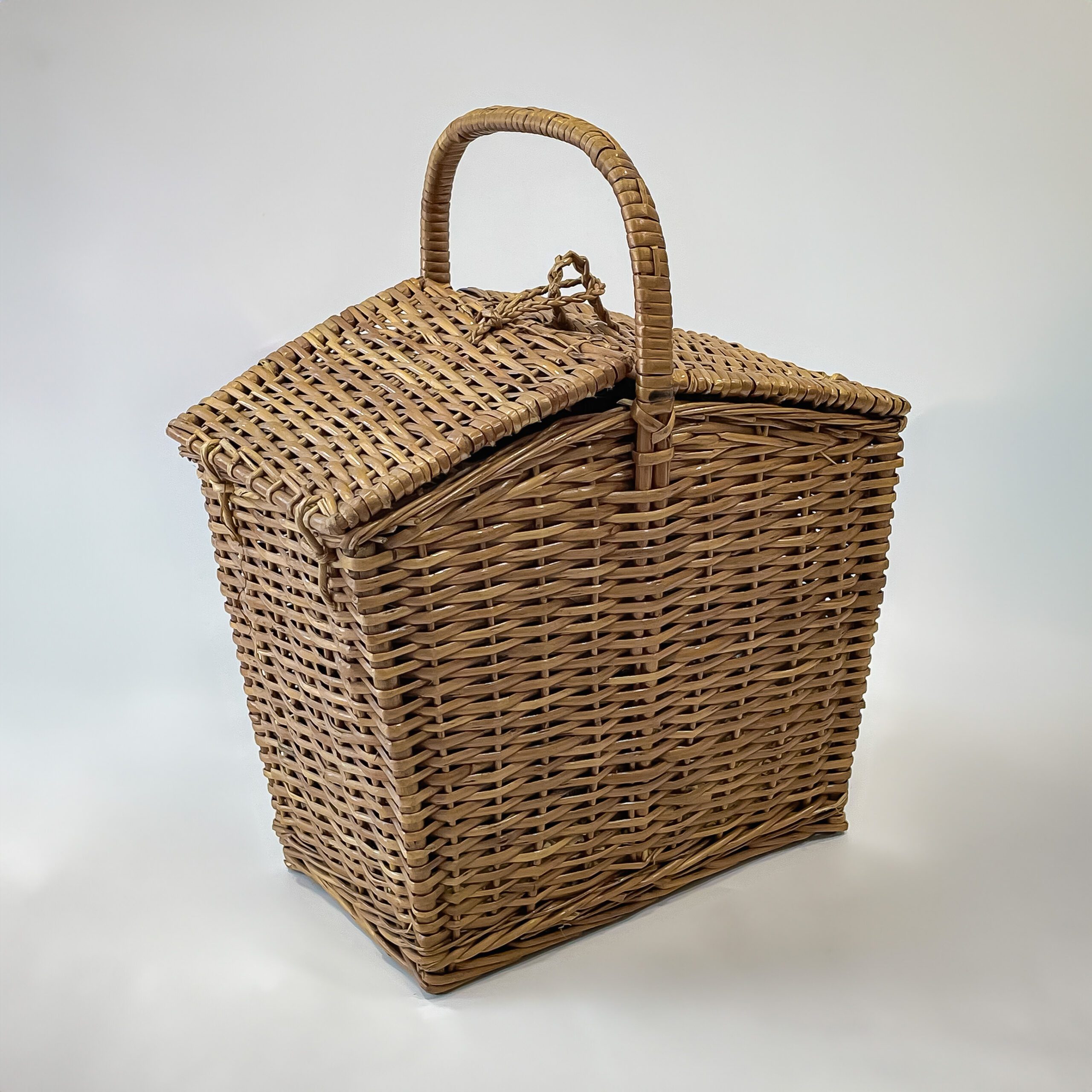
Base – Choose reclaimed oak for the bottom layer. Its sturdy grain offers a solid foundation. Lid – Bamboo, cut to size and sealed with a natural beeswax finish. Lining – Organic cotton fabric, dyed in a muted sage green. Accents – Small natural stone coasters, a hand‑woven hemp pouch, and a decorative bamboo candle holder. Packaging – Recycled kraft paper with a biodegradable adhesive, tied with a hemp twine ribbon. ### Finishing TouchesAdd a handwritten note on a recycled card, expressing gratitude and the hamper’s eco story. This personal touch transforms a gift into a narrative.
Making Your Selection Count
Choosing eco-friendly homewares hampers materials for a luxury homewares hamper is more than a trend; it’s a commitment to quality, ethics, and the planet. By evaluating sustainability certifications, durability, and aesthetic appeal, you can curate a hamper that feels indulgent yet responsible. Whether you source from local artisans or online marketplaces, remember that every choice echoes in the wider world—like a ripple in a pond.
Ready to elevate your gifting game? Start by scouting for FSC‑certified wood or bamboo suppliers today, and watch as your luxury hamper becomes a conversation starter that matters. The world of sustainable luxury is waiting—grab the opportunity, and let your hamper speak volumes.