When the office buzz slows down for a holiday or a milestone, the executive suite often turns to a simple solution that packs a punch: a men’s hamper. These curated bundles of goodies have become the go-to gesture for firms that want to show appreciation without sounding like a corporate robot. But why do corporate clients like men’s hampers? Let’s unpack the mix of psychology, practicality, and a dash of charm that makes these hampers a winning strategy.
Ever wondered why a simple hamper can open doors? The answer lies in the intersection of thoughtful presentation, business etiquette, and tangible benefits for both the giver and the receiver. In this article, we’ll explore the key reasons behind the popularity of men’s hampers, share a quick anecdote, and give you a practical guide to choosing the perfect one.
The Power of Thoughtful Packaging
What Makes a Hamper Stand Out
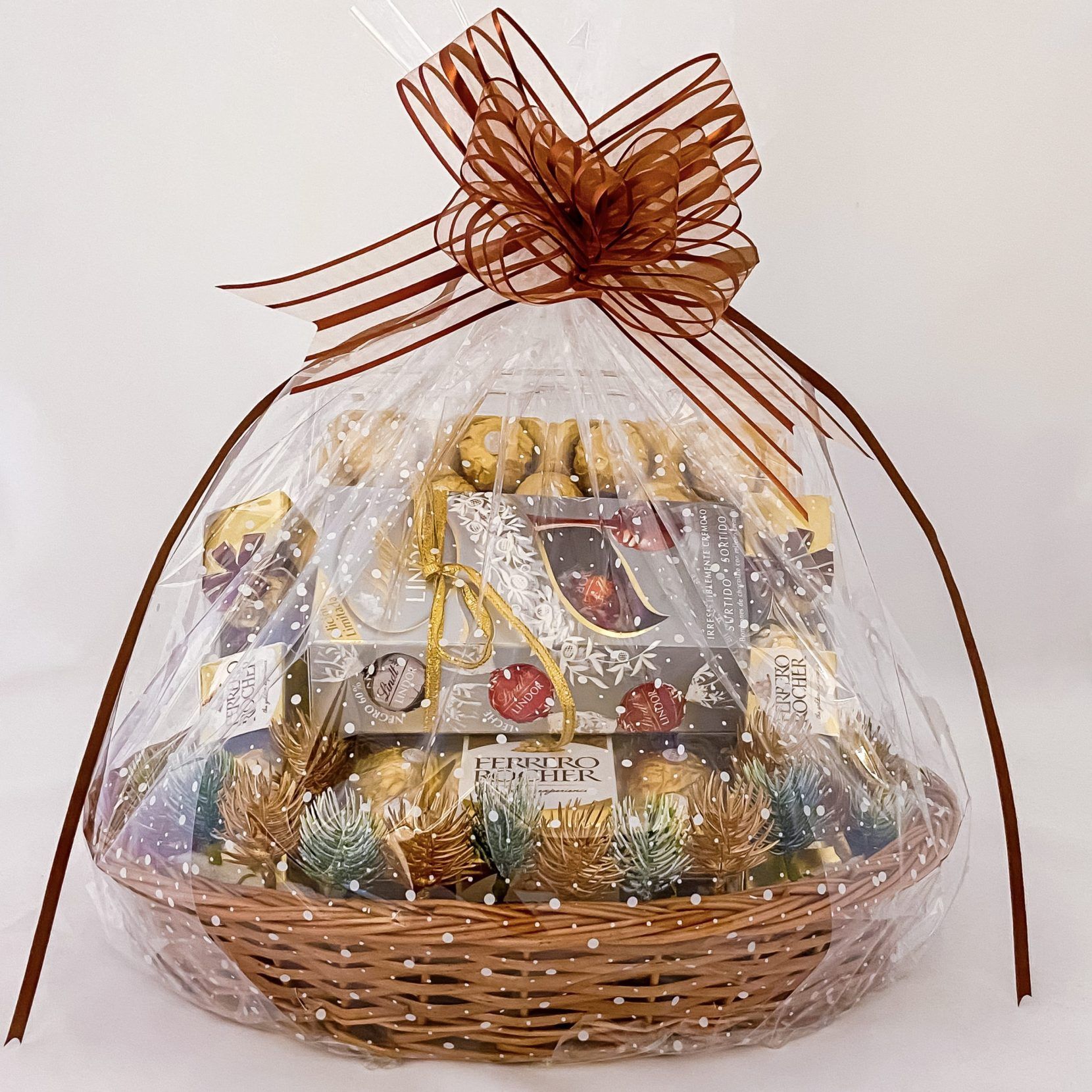
A hamper isn’t just a basket of snacks; it’s a carefully curated experience. The first impression is everything. A sleek, well‑organized hamper signals that the sender has taken the time to consider the recipient’s tastes and preferences. The packaging acts as a visual cue—like a handshake that says, “I respect your time and taste.”
- Visual appeal: High‑quality wicker or wooden crates with a clean, minimalist design. Brand alignment: Subtle corporate logos or color schemes that reinforce brand identity. Sensory cues: Freshly baked pastries, aromatic teas, or a hint of citrus to engage the senses.
Timing and Personalization
Timing is the secret sauce. Delivering a hamper at a pivotal moment—such as a project completion, a new partnership announcement, or a holiday—makes the gesture feel timely and relevant. Personalization turns a generic gift into a memorable token of appreciation. Adding a handwritten note or a custom engraving can transform a hamper from a simple box of goodies into a personalized treasure chest.
“A gift is a way of saying ‘I care’ without words.” – Anonymous
This quote reminds us that the value Hop over to this website of a hamper lies not in the items themselves but in the sentiment it conveys.
Business Etiquette and Gift Culture
Building Relationships Through Thoughtful Gestures
In corporate culture, gifts are more than tokens—they’re conversation starters. A well‑chosen hamper can spark a dialogue that deepens professional ties. Imagine a scenario where a client receives a hamper and comments, “I love the artisanal cheeses—your taste is impeccable.” That simple exchange can lead to a more collaborative partnership.
- First impressions: A hamper can be the icebreaker that sets a positive tone. Reciprocity: It encourages mutual appreciation, fostering a cycle of goodwill. Cultural sensitivity: Men’s hampers can be tailored to respect cultural norms and dietary preferences.
Avoiding Common Pitfalls
Even a great hamper can fall flat if mishandled. Common mistakes include:
- Generic items: Choosing items that everyone can get at a supermarket. Over‑the‑top extravagance: Over‑indulgent hampers can feel inappropriate for the occasion. Poor timing: Sending a hamper too early or too late can dilute its impact.
By steering clear of these pitfalls, corporate clients can ensure their hampers hit Helpful hints the sweet spot.
Practical Benefits for Companies
Boosting Employee Morale
A men’s hamper isn’t limited to clients; it’s a powerful tool for internal recognition too. Employees who receive a hamper feel valued, which can boost morale and productivity. A quick anecdote: When a small tech firm surprised its sales team with a hamper after hitting a quarterly target, the team’s enthusiasm doubled, and the next quarter saw a 15% increase in sales.
Strengthening Client Loyalty
A hamper can reinforce client loyalty by showing continuous appreciation. Clients who feel acknowledged are more likely to stay committed and refer new business. Think of a hamper as a small bridge that keeps the relationship strong, even when projects hit a lull.
Choosing the Right Men’s Hamper
Tailoring to Different Tastes
Not all men have the same palate. When selecting a hamper, consider the recipient’s preferences:
- Gourmet lovers: Include artisanal cheeses, charcuterie, and premium chocolates. Health‑conscious: Opt for nuts, dried fruit, and organic teas. Adventure seekers: Add a travel-sized coffee mug or a novelty gadget.
A well‑researched hamper shows that you’ve listened to their tastes—an essential step in building trust.

Quality Over Quantity
A hamper filled with a handful of high‑quality items beats a bulk of mediocre ones. Quality items create a lasting impression and reflect the giver’s commitment to excellence. Think of the hamper as a portfolio; each item should showcase a facet of the brand’s values.
Making Your Selection Count
Choosing the right men’s hamper is more than picking a basket of goodies—it’s about crafting an experience that aligns with your brand and resonates with the recipient. Remember the metaphor: a hamper is a treasure chest, but it’s the key—your thoughtful selection—that unlocks its value.
- Research: Know the recipient’s preferences and cultural context. Personalize: Add a handwritten note or a custom logo. Deliver: Timing is crucial—aim for a moment when the gift will feel most relevant.
In the end, the reason corporate clients like men’s hampers boils down to a simple truth: they’re a tangible expression of respect, appreciation, and partnership. By choosing a hamper that reflects your brand’s personality and the recipient’s tastes, you’re not just giving a gift—you’re building a lasting relationship.
So the next time you’re planning a client outreach or employee appreciation program, consider a men’s hamper. It’s the gift that says, “We value you, and we’re committed to our partnership—without saying a word.”